Timing Belt Replacement
Timing Belt Replacement in Corvallis, Oregon
If your vehicle uses a timing belt, replacing it according to the appropriate maintenance schedule can be an important part of protecting engine reliability. London’s Automotive provides timing belt replacement in Corvallis, Oregon, for vehicles equipped with belt-driven engine timing systems.
Timing belt requirements vary by year, make, model, and engine. Some vehicles use timing chains instead, and replacement intervals are not the same for every timing belt. If you are unsure what your vehicle uses or whether service may be due, call London’s Automotive at 541-753-4444 or request an appointment online.
What Is a Timing Belt?
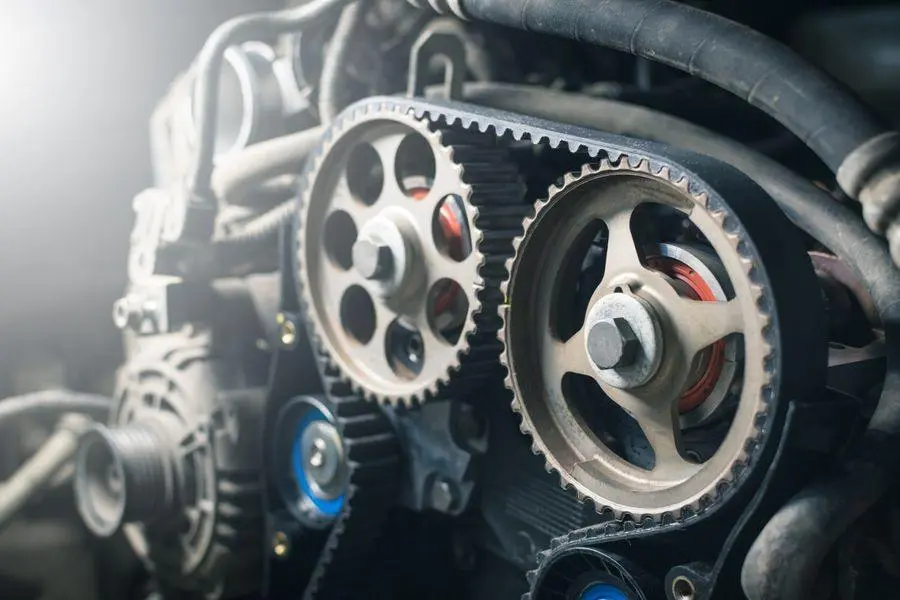
A timing belt is part of the engine’s mechanical timing system on vehicles designed to use one. It helps keep the crankshaft and camshaft moving in the correct relationship so the engine’s valves operate at the proper time.
This synchronization is important because the pistons and valves must move in a carefully timed sequence while the engine is running.
Not every engine uses a timing belt. Some use a timing chain or another design, and even vehicles from the same manufacturer may use different systems depending on the model year and engine.
When Should a Timing Belt Be Replaced?
Vehicle manufacturers set timing belt maintenance recommendations for specific engines. The recommended interval can vary significantly, so there is no universal mileage or age that applies to every vehicle.
The correct replacement timing should be based on the maintenance information for your specific year, make, model, and engine. Vehicle history can also be important if you do not know whether the belt has previously been replaced.
London’s Automotive can help review your vehicle’s maintenance needs as part of our scheduled maintenance services.
Why Timing Belt Maintenance Matters
Timing belts are designed to operate for a long period of time, but they are still wear items on engines that use them. If the belt fails, the engine can stop running.
On certain engine designs, a broken or severely out-of-time timing belt can allow internal engine components to contact one another. This may result in significant engine damage. Whether internal damage can occur depends on the specific engine design.
Because a timing belt may not provide an obvious warning before failure, following the manufacturer’s maintenance recommendation is often more useful than waiting for symptoms.
Are There Symptoms of a Worn Timing Belt?
Sometimes there may be signs of a timing system problem, but a timing belt can also deteriorate without creating an obvious symptom that a driver can recognize.
Possible reasons for further inspection may include:
- Visible belt wear or damage when the belt can be accessed for inspection
- Unusual noises from the timing area
- An engine that suddenly stops running
- A no-start condition
- Engine performance problems associated with incorrect mechanical timing
- Oil or coolant leakage near timing-system components
These symptoms do not confirm timing belt failure. A no-start, rough-running engine, unusual noise, or fluid leak can have many other causes. Proper inspection and testing are needed before the timing belt or another component is blamed.
Can a Timing Belt Break Without Warning?
Yes, a timing belt may fail without a clear warning beforehand. Visual inspection can sometimes identify cracking, contamination, damage, or other concerns, but an inspection cannot guarantee how long a belt will continue to operate.
That is why service history and manufacturer recommendations are important when determining whether timing belt replacement is due.
What Happens If a Timing Belt Breaks?
If a timing belt breaks while the engine is running, the camshaft and crankshaft can lose synchronization and the engine will usually stop running.
On some engines, internal contact may occur after timing is lost. Possible damage can involve components such as:
- Valves
- Pistons
- Cylinder-head components
- Camshaft-related components
The amount of damage, if any, depends on the engine design and what occurred when the belt failed. The engine should be inspected before the extent of any damage is assumed.
What May Be Included With Timing Belt Replacement?
Timing belt service can involve more than the belt itself because other components help guide and tension the belt. The exact parts involved vary by engine.
Depending on the vehicle and manufacturer recommendations, related components may include:
- Timing belt tensioners
- Idler pulleys
- Related seals
- Drive belts that must be removed for access
- A water pump on certain engine designs
Not every engine requires all of these components to be replaced during every timing belt service. London’s Automotive can review the specific application and explain what is appropriate for your vehicle.
You can learn more about these components through our timing belt video and timing belt tensioner video.
Timing Belt and Water Pump Service
On some engines, the water pump is located behind or near the timing belt and requires much of the same disassembly to access. In these applications, the water pump may be inspected or considered while timing belt service is being performed.
This does not mean a water pump automatically needs replacement with every timing belt. The recommendation should depend on the engine design, manufacturer guidance, service history, and condition of the component.
For other cooling system concerns, London’s Automotive also provides radiator and cooling system service.
Timing Belts and Timing Chains Are Different
Timing belts and timing chains perform similar jobs, but they are different types of components and have different service requirements.
A timing belt is generally made from reinforced flexible material and may have a manufacturer-specified replacement interval. A timing chain is made from metal and follows different inspection and service guidelines.
Because the timing system may vary even within the same vehicle brand, the specific engine should be identified before making a maintenance recommendation.
Timing Belt Replacement for Domestic, Asian, and European Vehicles
London’s Automotive services a wide range of domestic, Asian, and European vehicles. Whether a vehicle uses a timing belt or timing chain depends on the specific engine and model configuration.
We work with makes including Honda, Acura, Toyota, Lexus, Subaru, Volkswagen, and many others.
Visit our vehicles we service page to see more of the makes we work on.
Why Choose London’s Automotive for Timing Belt Replacement?
London’s Automotive has served drivers in the Corvallis area since 1981. Our ASE Certified Technicians approach timing belt service based on the specific vehicle, engine design, maintenance history, and applicable service recommendations.
If timing belt replacement is due, we can review the related components and explain what the service may involve. If you are dealing with an engine symptom instead, we can inspect and diagnose the concern before assuming the timing belt is responsible.
London’s Automotive also provides preventative maintenance, scheduled maintenance, and auto repair.
Frequently Asked Questions About Timing Belt Replacement
How often should my timing belt be replaced?
The interval depends on the specific vehicle and engine. Manufacturers may base replacement recommendations on mileage, time, or both. The correct maintenance information for your year, make, model, and engine should be checked rather than using a universal interval.
Does every vehicle have a timing belt?
No. Some engines use timing belts, while others use timing chains or different timing systems. The design can vary between models, years, and engines from the same manufacturer.
Can you inspect a timing belt to tell how long it will last?
An inspection may reveal visible wear, contamination, or damage when the belt is accessible, but it cannot guarantee how long the belt will continue to operate. Manufacturer maintenance recommendations and service history remain important.
Will my engine be damaged if the timing belt breaks?
It depends on the engine design. Some engines can experience internal contact and significant damage if timing is lost, while the outcome may be different on other designs. The engine would need to be inspected after a belt failure to determine whether damage occurred.
Should the water pump be replaced during timing belt service?
It depends on the engine. On some vehicles, the water pump is located in the timing belt area and may be practical to evaluate during the same service. The recommendation should be based on the specific application, manufacturer guidance, service history, and condition of the component.
Timing Belt Replacement for Corvallis and Nearby Communities
London’s Automotive provides timing belt replacement for drivers in Corvallis and surrounding communities, including Albany, Monmouth, Lebanon, and Philomath.
If you are unsure whether your vehicle has a timing belt or whether replacement may be due, call London’s Automotive at 541-753-4444 or request an appointment online. We can review the vehicle’s timing system and help determine the appropriate next step based on its specific engine and maintenance requirements.
We are a Digital Shop
The London's Automotive Inc. technicians use the latest technology to not only tell you if there are any issues with your vehicle, but show you. If we uncover an issue the photo will be e-mailed to you for your records. At the end of every visit you will receive a detailed report regarding the general health of your vehicle. Our #1 goal is to keep you safe on the road.
Read more