Radiator Replacement
Radiator Replacement in Corvallis, Oregon
If your vehicle is overheating, losing coolant, or showing signs of a cooling system problem, London’s Automotive can help. We provide radiator inspection and replacement in Corvallis, Oregon, for drivers dealing with leaks, cooling concerns, or visible radiator damage.
An overheating engine or coolant leak does not automatically mean the radiator needs to be replaced. Hoses, the water pump, thermostat, cooling fans, pressure cap, or other parts of the system can cause similar symptoms. That is why we inspect and test the cooling system before recommending repairs. Call London’s Automotive at 541-753-4444 or request an appointment online.
What Does the Radiator Do?
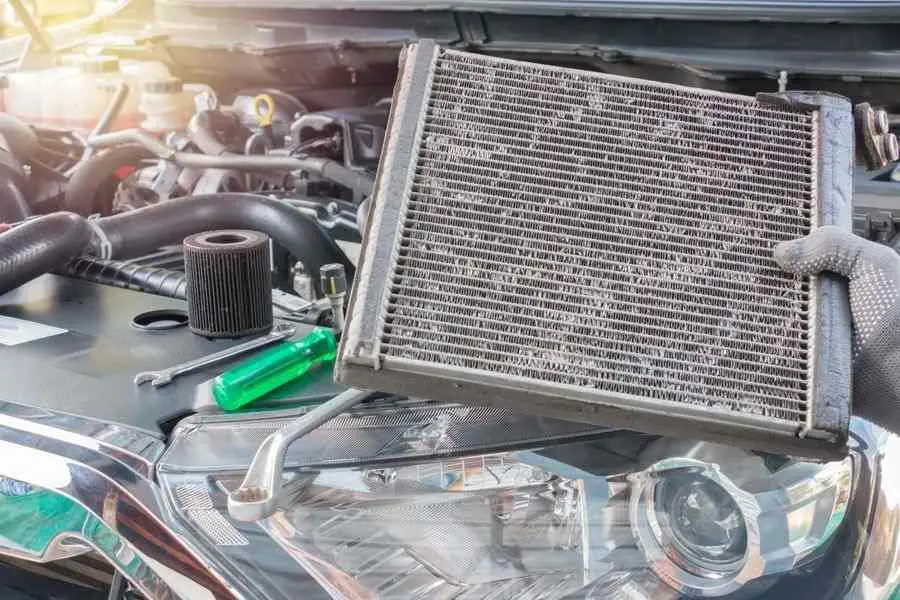
The radiator is an important part of your vehicle’s cooling system. As coolant circulates through the engine, it absorbs heat. The radiator then helps transfer that heat to the outside air before the coolant returns to the engine.
The cooling system also relies on other components, including hoses, a water pump, thermostat, cooling fans, pressure controls, and coolant passages. These parts work together to help the engine stay within its intended operating temperature range.
The exact cooling system design varies by make, model, year, engine, and vehicle configuration.
Signs Your Radiator or Cooling System May Need Attention
Cooling system problems can appear in several ways. Common reasons to have the system inspected include:
- Engine temperature running higher than normal
- A temperature warning light
- Coolant leaking beneath the vehicle
- Repeated need to add coolant
- Visible radiator damage
- Coolant odor around the vehicle
- Steam or vapor from the engine compartment
- Changes in heater performance
These symptoms do not confirm that the radiator itself is the cause. Coolant leaks and overheating can come from several parts of the cooling system, so inspection and testing are needed before replacement is recommended.
What Can Cause a Radiator to Need Replacement?
A radiator may eventually require replacement because of damage, leakage, deterioration, or another problem that prevents it from performing correctly.
Possible reasons may include:
- A leak from the radiator core or tank
- Physical damage from road debris or impact
- Cracks or deterioration in radiator materials
- Internal restriction that affects coolant flow
- External blockage or damage that reduces airflow
- Damage resulting from another cooling system problem
These are possible conditions, not automatic reasons for replacement. The radiator should be evaluated along with the rest of the cooling system before the repair is determined.
How Cooling System Problems Are Diagnosed
The diagnostic process depends on the symptoms and the vehicle. A technician may inspect the radiator, hoses, coolant reservoir, pressure cap, water pump area, and other accessible cooling system components.
Depending on the concern, testing may also include checking for leaks, evaluating cooling fan operation, monitoring engine temperature, or performing other cooling system tests.
If the radiator is found to be leaking, damaged, or unable to perform properly, replacement may be appropriate. If another component is causing the problem, that issue should be addressed instead.
What May Be Included in Radiator Replacement?
Radiator replacement procedures vary by vehicle. Access, coolant type, hose design, fan placement, and other details can differ considerably between models.
Depending on the vehicle and what the inspection shows, service may involve:
- Removing coolant as needed for the repair
- Removing the damaged or leaking radiator
- Inspecting accessible hoses, clamps, and related connections
- Installing the correct replacement radiator for the application
- Refilling the cooling system with the appropriate coolant
- Removing trapped air from the system when required
- Checking the repaired system for proper operation and leaks
Additional components are not automatically replaced with every radiator. Recommendations should be based on the condition of the vehicle and the requirements of the specific repair.
Why Overheating Should Be Checked Promptly
Engines are designed to operate within a controlled temperature range. If an engine overheats, continuing to drive may increase the chance of additional damage depending on how hot the engine becomes and how long the condition continues.
Possible overheating-related damage can involve gaskets, cylinder-head components, or other engine parts, but the outcome varies by vehicle and severity.
If the temperature gauge rises unusually high, a temperature warning appears, or steam is coming from the engine compartment, it is safer to stop driving when possible and have the vehicle evaluated.
Radiator Problems and Coolant Leaks
A coolant leak can come from the radiator, but it can also come from a hose, water pump, reservoir, gasket, fitting, or another cooling system component.
The location of a puddle under the vehicle does not always identify where the leak started because coolant can travel along other components before reaching the ground.
Inspection and appropriate leak testing help determine the source before parts are replaced.
You can also learn more about related cooling system components through our radiator video, radiator hose video, and water pump video.
Radiator Replacement and Preventative Maintenance
Cooling system maintenance can help you stay informed about coolant condition, visible leaks, hose condition, and other developing concerns.
Coolant type and service intervals vary by vehicle, so maintenance should be based on the manufacturer recommendations for the specific make, model, year, and engine.
If maintenance is due, London’s Automotive also provides preventative maintenance and scheduled maintenance.
Radiator Replacement for Domestic, Asian, and European Vehicles
London’s Automotive services a wide range of domestic, Asian, and European vehicles. Cooling system layouts, radiator designs, coolant specifications, and repair procedures vary between vehicles, so the correct service depends on the specific application.
We work with makes including Toyota, Honda, Subaru, Ford, Chevrolet, BMW, Mercedes-Benz, and Volkswagen.
Visit our vehicles we service page to see more of the makes we work on.
Why Choose London’s Automotive for Radiator Replacement?
London’s Automotive has served drivers in the Corvallis area since 1981. Our ASE Certified Technicians inspect cooling system concerns carefully before recommending radiator replacement or other repairs.
If the radiator is the source of the problem, we can explain what was found and what the replacement involves. If testing points to another cooling system component, we can help determine the appropriate next step instead of replacing the radiator based only on symptoms.
London’s Automotive also provides related auto repair, digital vehicle inspections, and preventative maintenance.
Frequently Asked Questions About Radiator Replacement
How do I know if my radiator needs to be replaced?
A leaking or visibly damaged radiator may need replacement, but overheating or coolant loss can also be caused by other cooling system components. Inspection and testing are needed to determine whether the radiator is actually the source of the problem.
Can I drive my car if the engine is overheating?
Continuing to drive an overheating vehicle can increase the chance of engine damage. If the temperature is rising unusually high, a warning light appears, or steam is present, it is generally better to stop driving when it is safe to do so and have the vehicle inspected.
Why do I keep losing coolant?
Coolant loss may come from the radiator, hoses, water pump, reservoir, pressure cap, gaskets, or other cooling system components. The source should be identified through inspection or leak testing before a repair is recommended.
Does a coolant leak always mean the radiator is bad?
No. The radiator is only one possible source of a coolant leak. Other components can leak as well, and coolant may travel before reaching the ground, so the visible puddle location does not always identify the source.
Should hoses or the thermostat be replaced when the radiator is replaced?
Not automatically. Related parts should be inspected and evaluated based on their condition, the vehicle’s design, manufacturer guidance, and the reason for the radiator replacement. Additional parts should only be recommended when appropriate for the specific vehicle.
Radiator Replacement for Corvallis and Nearby Communities
London’s Automotive provides radiator replacement and cooling system service for drivers in Corvallis and surrounding communities, including Albany, Monmouth, Lebanon, and Philomath.
If your vehicle is overheating, losing coolant, or showing another cooling system concern, call London’s Automotive at 541-753-4444 or request an appointment online. We can inspect the cooling system, explain what we find, and help determine whether radiator replacement or another repair is appropriate.
We are a Digital Shop
The London's Automotive Inc. technicians use the latest technology to not only tell you if there are any issues with your vehicle, but show you. If we uncover an issue the photo will be e-mailed to you for your records. At the end of every visit you will receive a detailed report regarding the general health of your vehicle. Our #1 goal is to keep you safe on the road.
Read more