Brake Repair
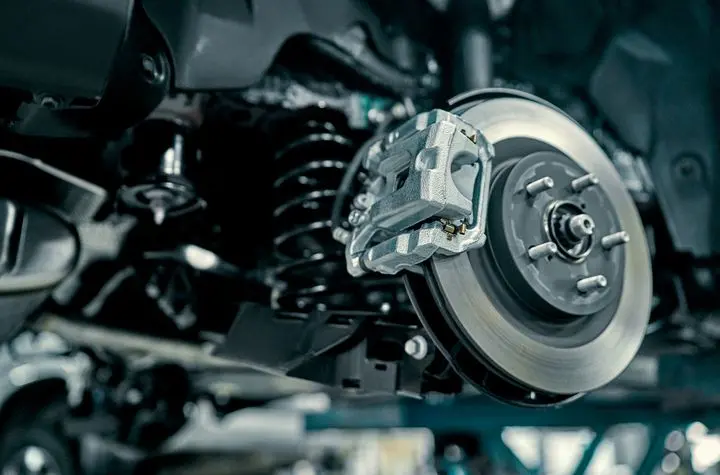
Brake Repair in Corvallis, Oregon
If your brakes are making noise, the pedal feels different, or a brake warning light is on, London’s Automotive can help. We provide brake repair and brake inspections in Corvallis, Oregon, for drivers who are experiencing changes in braking performance or routine brake wear.
Brake symptoms can have several possible causes, so we inspect the system before recommending repairs. If something feels different when you slow down or stop, call London’s Automotive at 541-753-4444 or request an appointment online.
How Your Vehicle’s Braking System Works
Your braking system uses several components working together to slow and stop the vehicle. The exact design varies by make, model, year, and configuration.
Depending on the vehicle, the system may include:
- Disc brakes with brake pads, rotors, and calipers
- Drum brakes with brake shoes and drums
- Hydraulic brake fluid, lines, and hoses
- A master cylinder
- An Anti-Lock Braking System, or ABS
- A mechanical or electronic parking brake
Many vehicles use disc brakes at all four wheels, while others may use a combination of disc and drum brakes. The correct repair depends on the system used and the condition of its components.
Common Signs Your Brakes May Need Attention
Brake problems can develop gradually or become noticeable quickly. Common reasons to have the braking system inspected include:
- Squeaking, squealing, grinding, or scraping noises
- A soft, spongy, or unusually firm brake pedal
- Brake pedal pulsation or vibration
- Vehicle pulling while braking
- A brake or ABS warning light
- Longer or different stopping feel than usual
- Brake fluid visible where it normally should not be
- A parking brake that does not operate as expected
These symptoms do not confirm one specific brake problem. Worn pads, rotors, hydraulic concerns, ABS faults, tire problems, suspension issues, or other conditions can sometimes create similar symptoms. An inspection is needed to determine the cause.
What Can Cause Brake Problems?
Brake concerns can come from normal wear, damaged components, hydraulic problems, electrical faults, or other conditions. The exact cause depends on the vehicle and the symptoms being experienced.
Possible causes may include:
- Worn brake pads or shoes
- Rotor or drum wear
- Caliper concerns
- Brake fluid leaks
- Air or another problem in the hydraulic system
- Master cylinder concerns
- ABS sensor, wiring, or control problems
- Parking brake component concerns
These are possible causes, not confirmed diagnoses. A brake noise or warning light should be treated as a starting point for inspection and testing.
What Does a Brake Inspection Include?
The inspection process depends on the vehicle and the concern. A technician may inspect accessible brake components for wear, damage, leakage, or other visible problems.
Depending on the symptoms, the inspection may include checking:
- Brake pads or shoes
- Rotors or drums
- Calipers and related hardware
- Brake fluid condition and level
- Brake hoses and accessible lines
- Master cylinder condition
- Parking brake operation
- ABS-related components when a warning or fault is present
If the concern involves a warning light or electronic braking system, additional diagnostic testing may be needed. A stored code can provide direction, but it does not automatically identify the part that needs replacement.
Brake Pad and Rotor Service
Brake pads create friction against the brake rotors to slow the vehicle. Both parts wear over time, but the rate of wear varies depending on the vehicle, driving conditions, traffic, load, and driving habits.
If brake pads become worn, replacement may be needed. Rotors should also be evaluated for condition before deciding whether they can remain in service or require additional work.
London’s Automotive can inspect the braking system and explain what the condition of the pads, rotors, and related components means for your vehicle.
You can also learn more about these components through our brake pads video and brake rotors video.
ABS and Brake Warning Lights
An ABS light, brake warning light, or other braking-system warning should not be used as a diagnosis by itself. The light means the vehicle has detected a condition that needs attention, but the cause can vary.
Possible issues may involve wheel speed sensors, wiring, hydraulic components, fluid level, control systems, or other parts. Proper testing is needed to determine what is causing the warning.
You can learn more about ABS-related components through our ABS sensor video.
Brake Fluid and Hydraulic System Concerns
Brake fluid transfers hydraulic pressure through the braking system. A leak, air in the system, damaged hose, or another hydraulic problem may change how the brake pedal feels or how the system responds.
Because a soft or unusual pedal can have several possible causes, the hydraulic system should be inspected before service is recommended.
London’s Automotive can evaluate the condition of the braking system and determine whether brake fluid or another component needs attention. You can also view our brake fluid video for more information.
Why Timely Brake Inspection Matters
Changes in brake feel, noise, or warning lights are worth checking because brake components work together. Wear or damage in one area may affect other parts of the system if it continues.
Some brake concerns are related to routine wear, while others may need quicker attention. An inspection helps determine what is happening and which repairs, if any, should be prioritized.
A digital vehicle inspection can also help document visible brake wear and other related findings while your vehicle is in the shop.
Brake Repair for Domestic, Asian, and European Vehicles
London’s Automotive works on a wide range of domestic, Asian, and European vehicles. Brake system designs, component sizes, electronic controls, and service procedures vary by manufacturer and model, so repairs should be based on the specific vehicle.
We service makes including Toyota, Honda, Subaru, Ford, Chevrolet, BMW, Mercedes-Benz, and Volkswagen.
Visit our vehicles we service page to see more of the makes we work on.
Why Choose London’s Automotive for Brake Repair?
London’s Automotive has served drivers in the Corvallis area since 1981. Our ASE Certified Technicians inspect brake concerns carefully before recommending repairs.
If the problem is related to worn brake components, hydraulics, ABS, or another part of the system, we can explain what was found and what may need attention. Our goal is to give you useful information so you can make an informed decision about your vehicle.
London’s Automotive also provides related auto repair, suspension repair, steering repair, and preventative maintenance.
Frequently Asked Questions About Brake Repair
Why are my brakes squeaking or grinding?
Brake noises can have several possible causes. They may involve brake pad wear, rotor condition, hardware, contamination, or another issue. Grinding can sometimes indicate more advanced wear, but the braking system should be inspected to confirm the source of the noise.
Why does my brake pedal feel soft or spongy?
A soft or spongy pedal may be related to air in the hydraulic system, a fluid leak, a master cylinder concern, or another brake-system issue. Because the cause can vary, the system should be inspected before repairs are recommended.
Why does my steering wheel or brake pedal vibrate when I brake?
Brake-related vibration may involve rotor condition, but tires, wheels, suspension parts, or other components can sometimes create similar symptoms. Inspection is needed to determine where the vibration is coming from.
Does an ABS light mean my regular brakes have failed?
Not necessarily. An ABS warning means the anti-lock braking system has detected a fault. The cause may involve a sensor, wiring, control component, or another issue. The vehicle should be tested to determine what is causing the warning and whether other braking functions are affected.
How often should I have my brakes inspected?
There is no single inspection interval that applies to every vehicle. Brake wear depends on the vehicle, driving habits, road conditions, traffic, load, and manufacturer recommendations. Having the brakes checked when symptoms appear or during appropriate maintenance visits can help you understand their condition.
Brake Repair for Corvallis and Nearby Communities
London’s Automotive provides brake repair for drivers in Corvallis and surrounding communities, including Albany, Monmouth, Lebanon, and Philomath.
If your brakes are making noise, the pedal feels different, or a brake or ABS warning light is on, call London’s Automotive at 541-753-4444 or request an appointment online. We can inspect the braking system, explain what we find, and help determine the appropriate next step.
We are a Digital Shop
The London's Automotive Inc. technicians use the latest technology to not only tell you if there are any issues with your vehicle, but show you. If we uncover an issue the photo will be e-mailed to you for your records. At the end of every visit you will receive a detailed report regarding the general health of your vehicle. Our #1 goal is to keep you safe on the road.
Read more